
Vegan Sushi vs Traditional Sushi: What's Really the Difference?
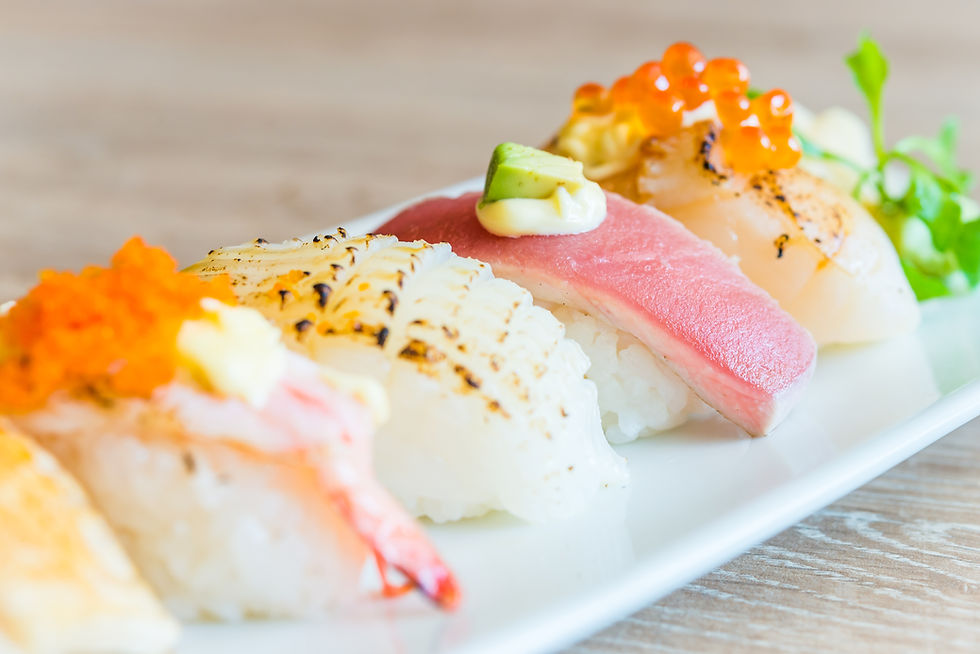
You've heard of vegan sushi — but how does it actually compare to the traditional fish-based version? The answer might surprise you. In Tokyo's best plant-based sushi restaurants, the gap between vegan and traditional sushi is far smaller than most people think. Here's an honest, side-by-side comparison.
What Stays Exactly the Same
The foundation of great sushi has nothing to do with fish. Sushi rice — seasoned with rice vinegar, sugar, and salt — is the soul of every piece. At both traditional and vegan sushi restaurants, the same painstaking attention goes into rice preparation: washing, soaking, cooking, and seasoning to achieve the perfect balance of sticky, fluffy, and tangy.
The technique is also identical. Whether pressing fish or grilled eggplant onto rice, the hand movements, pressure, and shaping follow the same centuries-old tradition. Wasabi, pickled ginger, and soy sauce round out an experience that's structurally the same.
What Changes — And Why It Works
The toppings are different — but "different" doesn't mean "lesser." At the best vegan sushi in Tokyo, each plant-based topping is individually crafted using techniques that maximize flavor and texture:
Traditional Topping | Plant-Based Equivalent | How It Compares |
Tuna (maguro) | Grilled red bell pepper | Different flavor profile, equally satisfying — sweet and smoky vs. clean and oceanic |
Scallop (hotate) | Grilled trumpet mushroom | Remarkably similar texture — thick, meaty, umami-rich |
Eel (unagi) | Soy steak with yakiniku sauce | Both are bold, glazed, and intensely flavored |
Salmon roe (ikura) | Plant-based salmon roe | Visual match is stunning — the "pop" texture is recreated |
Tamago (egg) | Stewed beans curd with dashi | Both are gentle, delicate, and comforting |
The Surprising Advantages of Vegan Sushi
More Variety
A traditional sushi set typically features 8–12 types of fish, which — while delicious — share a similar flavor family. A plant-based sushi course covers a much wider spectrum: smoky, sweet, tangy, crispy, silky, bold, and delicate. Each piece is a genuinely different experience.
No Mercury Concerns
Fish-based sushi — particularly tuna — carries trace levels of mercury. Plant-based sushi eliminates this concern entirely, making it safe to enjoy frequently.
More Colorful & Instagram-Worthy
Let's be honest: a lineup of plant-based sushi is visually stunning. Red peppers, green matcha salt, purple eggplant, orange carrots, and pink myoga create a rainbow that photographs beautifully.
🍣 Try the Best Vegan Sushi Near Asakusa
11 handcrafted pieces · 100% plant-based · 5.0★ on Google Maps
What Non-Vegans Say After Trying It
"I came in skeptical and left completely converted. The yakiniku soy steak piece was insane." — Google review, 5 stars
"Better variety than most regular sushi places. Every piece was different and interesting." — Google review, 5 stars
Veggie Sushi Japan maintains a perfect 5.0-star Google rating from 129+ reviews — and the majority of those reviewers are not vegan. They came for curiosity and left impressed by the craftsmanship.
🍣 Veggie Sushi Japan — Near Asakusa
100% plant-based sushi restaurant serving an 11-piece handcrafted course. Each topping uses a different traditional Japanese technique — grilling, simmering, tempura, pickling. Located on the ground floor of Little Japan Hotel in Asakusabashi.
📍 Asakusabashi Station, 7 min walk (5 min taxi from Asakusa)
🕐 Mon–Fri 11:00–14:30 · 💰 From ¥3,000
🌐 EN / 中文 / 한국어 / ไทย
FAQ
Q: Does vegan sushi taste like fish?
No — and it's not trying to. The best plant-based sushi celebrates vegetables and plant ingredients on their own merits, using traditional Japanese techniques to maximize their natural flavors.
Q: Is vegan sushi cheaper than regular sushi?
Prices are comparable. A quality vegan sushi set in Tokyo costs ¥3,000–¥5,000, similar to mid-range traditional sushi. The craftsmanship investment is the same.
Q: Which should I try if I'm visiting Tokyo?
Both! But if you can only fit one unique experience into your trip, plant-based sushi is the more novel and surprising choice — especially if you eat regular sushi at home.



コメント