
How to Eat Vegan in Japan: First-Timer's Survival Guide
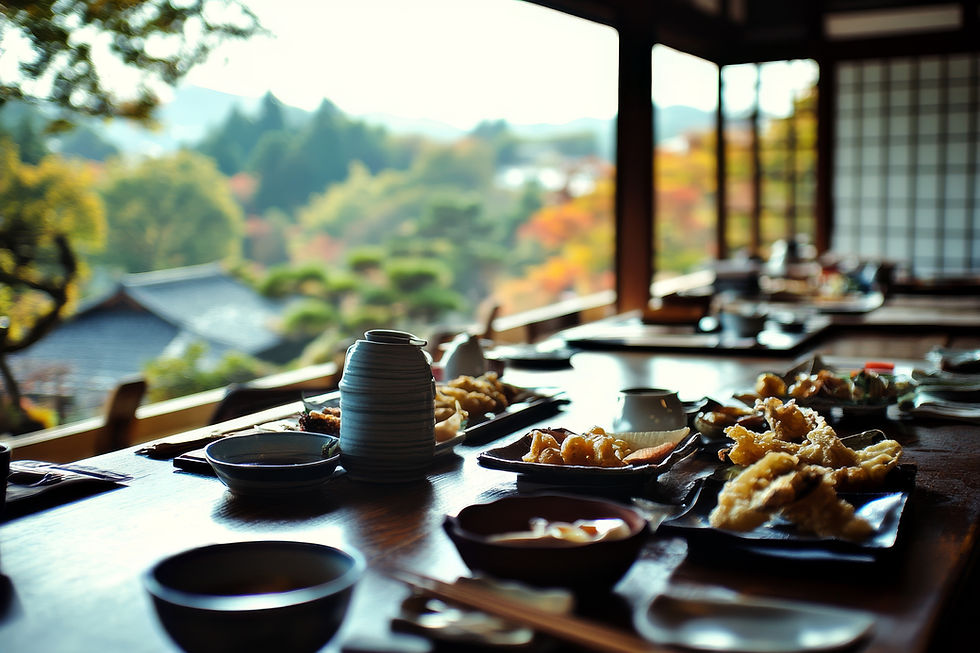
Japan is a dream destination for food lovers — but for vegans, it can feel like a minefield of hidden fish stock and mystery ingredients. The truth? Eating vegan in Japan in 2026 is not only possible, it can be absolutely incredible. You just need the right knowledge. This survival guide covers everything: what to watch for, what to eat, where to go, and the essential Japanese phrases that will transform your dining experience.
The #1 Challenge: Hidden Dashi (And How to Beat It)
If there's one thing every vegan visitor to Japan needs to know, it's this: dashi (出汁) is everywhere. This foundational Japanese broth — traditionally made from bonito (fish flakes) and kombu (seaweed) — is used in miso soup, noodle broth, rice seasoning, sauces, simmered dishes, and even some pickles. It's the invisible backbone of Japanese cuisine.
⚠️ Where Dashi Hides
Miso soup — almost always bonito dashi at regular restaurants
Soba/udon broth — typically bonito-based
Simmered dishes (nimono) — often use bonito or niboshi (dried sardine) dashi
Rice seasoning — some sushi restaurants add dashi to vinegar rice
Tempura dipping sauce — contains bonito dashi
Oden — the broth is almost always fish-based
Chawanmushi (egg custard) — contains both egg and dashi
The solution? The easiest approach is to choose restaurants that are 100% plant-based — where every single ingredient, including dashi, is guaranteed vegan. At these restaurants, the dashi is made from kombu seaweed and dried shiitake mushrooms, which actually creates a delicious and deeply savory broth without any fish.
The 5 Rules of Eating Vegan in Japan
Rule 1: Choose Dedicated Vegan Restaurants When Possible
At a 100% plant-based restaurant, you can relax completely. No need to interrogate the staff, decode ingredient lists, or worry about cross-contamination. Tokyo, Kyoto, and Osaka all have growing selections of dedicated vegan restaurants.
Rule 2: Learn the Magic Phrases
What You Need to Say | Japanese | Pronunciation |
"I'm vegan" | 私はヴィーガンです | Watashi wa viigan desu |
"I can't eat meat or fish" | 肉と魚は食べられません | Niku to sakana wa taberaremasen |
"No eggs, no dairy either" | 卵と乳製品もダメです | Tamago to nyuuseihin mo dame desu |
"Is the dashi plant-based?" | だしは植物性ですか? | Dashi wa shokubutsusei desu ka? |
"Does this contain bonito?" | 鰹節は入っていますか? | Katsuobushi wa haitteimasu ka? |
Rule 3: Carry a Dietary Card
Print or save a Japanese dietary card on your phone that explains your vegan requirements in Japanese. Several free templates are available online from organizations like VegeProject Japan. This eliminates language-barrier confusion and shows restaurant staff exactly what you can and cannot eat.
Rule 4: Master Convenience Store Survival
Japan's convenience stores (7-Eleven, FamilyMart, Lawson) are everywhere and open 24/7. Learn to identify these reliably vegan items:
Onigiri: Umeboshi (plum) 🟢 / Kombu (seaweed) 🟢 / Shio (salt) 🟢 — avoid tuna, salmon, mentaiko
Edamame: Always vegan 🟢
Natto: Fermented soybeans — always vegan 🟢 (includes soy sauce packet)
Fruit: Bananas and pre-cut fruit cups 🟢
Bread: Some plain rolls are vegan — check for 乳 (milk) and 卵 (egg) on the label
Cup noodles: A few soy sauce (shoyu) varieties are accidentally vegan — but most are not
Rule 5: Plan Your Must-Try Meals in Advance
Don't leave your best meals to chance. Research and reserve dedicated vegan restaurants before your trip. The best vegan dining experiences in Japan — like plant-based sushi courses — require reservations and are absolutely worth planning around.
The Must-Try Vegan Food Experience in Japan: Plant-Based Sushi
🍣 Veggie Sushi Japan — Near Asakusa, Tokyo
If there's one vegan meal to prioritize during your Japan trip, make it plant-based sushi. At Veggie Sushi Japan in Tokyo, an 11-piece handcrafted sushi course showcases the extraordinary potential of Japanese vegan ingredients — from charcoal-grilled vegetables to tempura mushroom with matcha salt to innovative plant-based seafood. Every piece is crafted using traditional sushi techniques, and the restaurant maintains a perfect 5.0★ Google rating.
It's the quintessential "only in Japan" vegan experience — ingredients, technique, and attention to detail that simply don't exist anywhere else in the world.
📍 Asakusabashi, near Asakusa · ⭐ 5.0★ Google Maps
🕐 Mon–Fri 11:00–14:30 · 💰 From ¥3,000
🌐 EN / 中文 / 한국어 / ไทย
🌱 The #1 Vegan Food Experience in Japan
Plant-based sushi · 11 handcrafted pieces · Traditional Japanese technique
Other Must-Try Vegan Foods in Japan
🍜 Vegan Ramen
Rich, comforting noodle soup with plant-based broth. Look for soy milk-based or vegetable-based options at dedicated shops. T's TanTan (Tokyo and Ueno stations) is a classic starting point.
🍡 Wagashi (Japanese Sweets)
Traditional Japanese confections are often naturally vegan — made from rice, red bean, and seasonal ingredients. Look for daifuku, manju, yokan, and warabi mochi at specialty shops and department stores.
🫘 Tofu Cuisine
Japan takes tofu to another level. Seek out specialty tofu restaurants — especially in Kyoto — for multi-course meals featuring yudofu (hot pot tofu), agedashi tofu, and silken tofu preparations you've never imagined.
🥦 Shojin Ryori
Buddhist temple cuisine — the original Japanese vegan food. Available at specialized restaurants in Tokyo and Kyoto. A multi-course meal ranges from ¥3,000–¥8,000 and offers a meditative dining experience.
City-by-City Vegan Readiness (2026)
City | Vegan-Friendliness | Notes |
Tokyo | ⭐⭐⭐⭐⭐ | Most options, easiest for vegans, multiple dedicated restaurants |
Kyoto | ⭐⭐⭐⭐☆ | Strong shojin ryori tradition, growing vegan cafe scene |
Osaka | ⭐⭐⭐☆☆ | Fewer dedicated spots but growing, Indian restaurants are reliable |
Hiroshima | ⭐⭐☆☆☆ | Limited options — plan ahead and use HappyCow |
Rural Japan | ⭐☆☆☆☆ | Very challenging — bring snacks, stay at temples with shojin ryori |
Packing List for Vegan Travelers to Japan
Dietary card in Japanese — printed or saved on your phone
HappyCow app — downloaded with Tokyo and other city maps offline
Protein snacks — nuts, protein bars, or trail mix for long day trips
Reusable chopsticks — eco-friendly and handy for convenience store meals
Small soy sauce packet — for plain rice or onigiri when options are limited
Google Translate app — with Japanese language pack downloaded for offline use
Frequently Asked Questions
Q: Is Japan hard for vegans?
It used to be — but in 2026, Tokyo especially has become very accessible for vegans with planning. The key is choosing dedicated vegan restaurants for your main meals and understanding where hidden animal ingredients lurk at regular restaurants.
Q: Will I go hungry in Japan as a vegan?
Not if you plan ahead. Between dedicated restaurants, convenience stores, and growing vegan awareness, you can eat well every day. The challenge isn't finding food — it's finding great food. And with restaurants like Veggie Sushi Japan, the great food is definitely there.
Q: What's the one vegan experience I shouldn't miss in Japan?
Plant-based sushi in Tokyo. It combines Japan's most iconic food with centuries of vegan cooking tradition, using ingredients you can't find anywhere else in the world. It's the one experience that captures everything special about eating vegan in Japan.
Q: Do Japanese people understand what "vegan" means?
Awareness has grown significantly, especially in Tokyo and Kyoto. Staff at dedicated vegan restaurants understand perfectly. At regular restaurants, the concept is understood but the details (especially regarding dashi) may need extra explanation — which is why a dietary card in Japanese is so helpful.



コメント